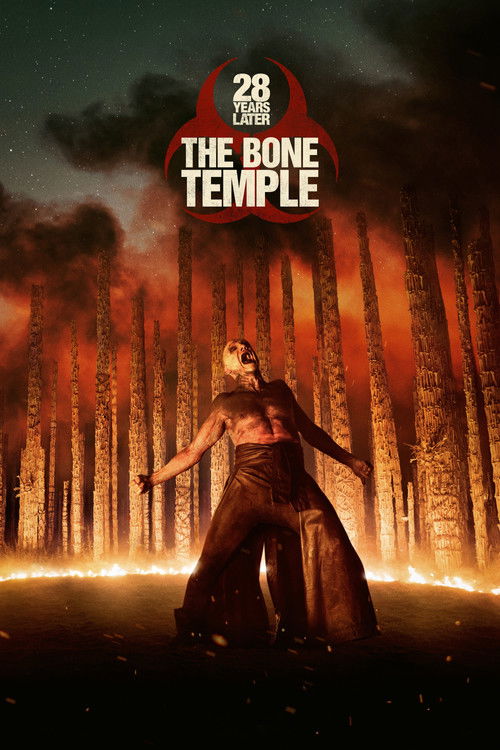
28 Years Later: The Bone Temple
Dr. Kelson finds himself in a shocking new relationship - with consequences that could change the world as they know it - and Spike's encounter with Jimmy Crystal becomes a nightmare he can't escape.
Trailer
Review
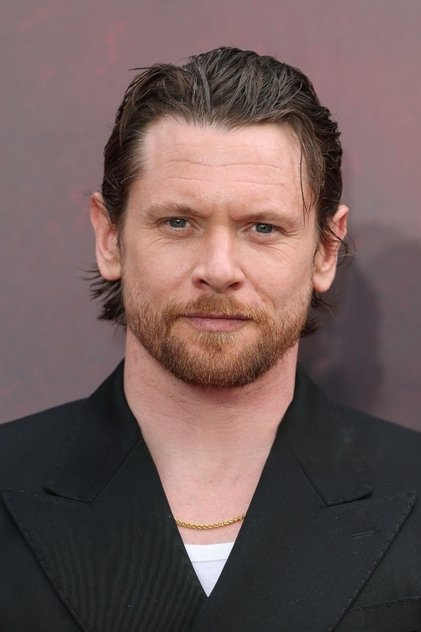
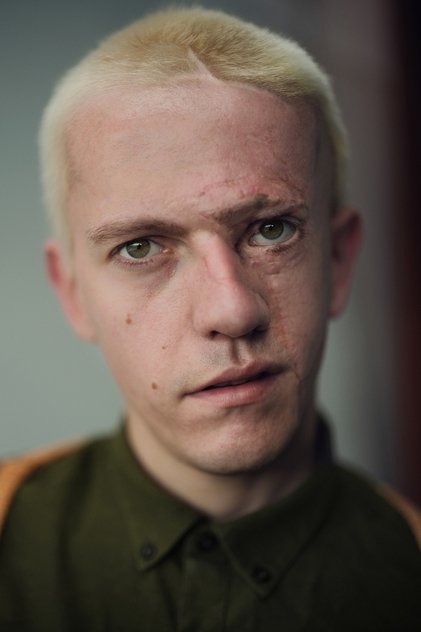
Nia DaCosta's '28 Years Later: The Bone Temple' is a bold, chilling expansion of the franchise that masterfully blends body horror with corporate dread. The film opens with a visceral intensity, immediately immersing viewers in Dr. Kelson's (Jack O'Connell) unnerving new reality, where a personal entanglement spirals into a global biological catastrophe. Parallel to this, Spike's (Alfie Williams) desperate dealings with media mogul Jimmy Crystal (Connor Newall) evolve from a tense negotiation into a claustrophobic nightmare of exploitation and terror. DaCosta's direction is taut and atmospheric, using shadow and sound design to create a pervasive sense of unease that lingers long after the credits roll. The performances are uniformly strong; O'Connell delivers a raw, physically demanding portrayal of scientific obsession and personal ruin, while Williams expertly captures the frantic energy of a man trapped in a deal with the devil. The film's practical effects for its 'bone' transformations are grotesquely beautiful, and the cinematography shifts from sterile labs to opulent, predatory corporate spaces with a seamless, unsettling flow. While the narrative occasionally buckles under its dual-plot ambition, the thematic core—exploring the monstrous consequences of both biological and corporate overreach—remains powerfully resonant and terrifyingly plausible.
Pros
- ✓Nia DaCosta's masterful atmospheric direction and pacing, which sustains dread throughout
- ✓Jack O'Connell's physically and emotionally raw lead performance
- ✓Outstanding practical body horror effects for the 'bone' transformations
- ✓A smart, timely thematic fusion of biological and corporate horror
Cons
- ✗The dual narrative structure sometimes feels disjointed, weakening momentum
- ✗Supporting characters, notably Erin Kellyman's scientist, could use more development
- ✗The final act's resolution feels slightly rushed compared to the meticulous build-up
'28 Years Later: The Bone Temple' is a triumph of intelligent, visceral horror that successfully evolves the franchise. It is more than a mere sequel; it's a sharp commentary on modern anxieties, grafting the terror of a pandemic onto the insidious horror of unchecked corporate power. While the plot's parallel threads don't always mesh perfectly, the film's strengths are overwhelming. DaCosta proves herself a visionary in the genre, delivering set-pieces that are both shocking and conceptually rich. The cast, led by a phenomenal Jack O'Connell, sells the human drama amidst the unfolding catastrophe. For fans of the original film, it offers a worthy, thought-provoking continuation. For new viewers, it stands as a compelling and deeply unsettling standalone thriller. This is a must-watch for anyone who appreciates horror with substance, style, and a genuinely frightening premise. It earns a strong 8.5/10, cementing itself as one of the more audacious and memorable genre entries of the year.
🎯 Who Should Watch
Fans of cerebral body horror and sci-fi thrillers; viewers who enjoyed the original '28 Days Later' or films like 'Annihilation' and 'The Fly'; audiences seeking horror with strong social commentary.
⭐ Standout Elements
The film's standout element is its brilliant thematic duality, perfectly mirroring the biological horror of Dr. Kelson's story with the corporate predation of Spike's narrative. This is elevated by Nia DaCosta's precise direction and the film's commitment to stunning, tactile practical effects for its body horror sequences.
🎬 Overall Impact
A must-watch film that delivers on both entertainment and emotional depth.
📽️ This film represents exceptional filmmaking that deserves your attention.