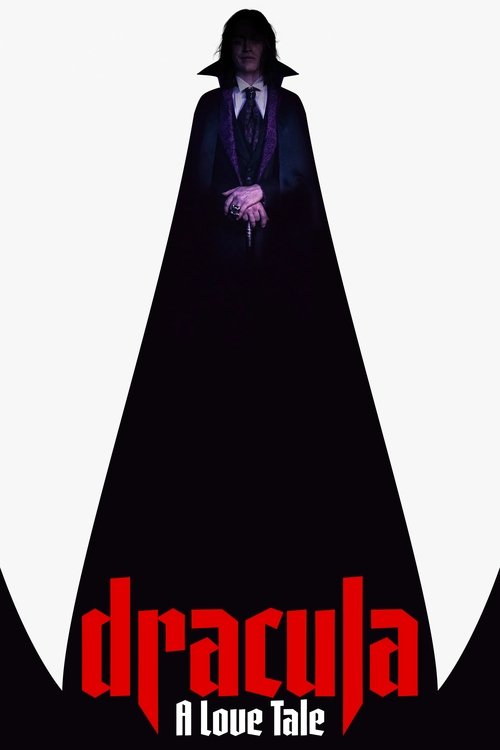
Dracula
When a 15th-century prince denounces God after the devastating loss of his wife, he inherits an eternal curse: he becomes Dracula. Condemned to wander the centuries, he defies fate and death itself, guided by a single hope — to be reunited with his lost love.
Trailer
Review
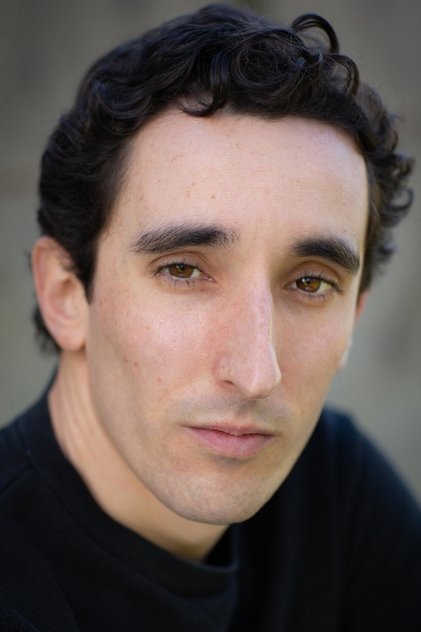
Luc Besson's 'Dracula' is a hauntingly beautiful reimagining that dares to ask: what if the world's most infamous monster was born from a love story? This 2025 epic, starring Caleb Landry Jones as the titular prince-turned-vampire, reframes Bram Stoker's legend as a tragic romance spanning centuries. The film opens in 15th-century Wallachia, where a devout prince (Jones) loses his beloved wife (Matilda De Angelis) to senseless violence. In a moment of profound grief, he renounces God and is cursed with immortality—a punishment that becomes his prison as he searches for her reincarnated soul across time. Besson masterfully weaves Gothic horror with sweeping fantasy, creating a visually sumptuous canvas where every shadow feels alive. Jones delivers a career-defining performance, balancing feral rage with heartbreaking vulnerability. His Dracula is less a predator and more a prisoner of his own despair. Christoph Waltz brings gravitas as a mysterious scholar who understands the curse's true nature, while Zoë Bleu Sidel shines as a modern woman whose connection to the past threatens to unravel everything. The film's 130-minute runtime allows for rich character development, though it occasionally meanders in its middle act. Cinematographer Thierry Arbogast paints with light and darkness, crafting iconic imagery—a castle bathed in crimson moonlight, a ballroom frozen in time—that lingers long after the credits roll. Alexandre Desplat's score is a character in itself, blending haunting choral arrangements with Eastern European folk motifs. While the romance sometimes veers into melodrama, the emotional core remains compelling, asking whether eternal love is a blessing or the ultimate curse.
Pros
- ✓Caleb Landry Jones' transformative performance as a tragic, multi-layered Dracula
- ✓Stunning Gothic visuals and production design that blend historical eras seamlessly
- ✓A fresh narrative approach that emphasizes tragic romance over pure horror
- ✓Alexandre Desplat's emotionally resonant, atmospheric score
Cons
- ✗Pacing lags in the second act with repetitive longing sequences
- ✗The romantic dialogue occasionally feels overly theatrical and melodramatic
Luc Besson's 'Dracula' is a triumph of atmospheric storytelling that successfully reinvents a classic for a new generation. While it stumbles occasionally in pacing and tone, its strengths—particularly Jones' mesmerizing performance and the breathtaking visual poetry—far outweigh its flaws. This is not a traditional horror film but a melancholic fantasy about love, loss, and the price of eternity. It will resonate most with viewers who appreciate character-driven narratives and artistic ambition over jump scares or conventional monster tropes. The film's willingness to explore Dracula's humanity without sanitizing his monstrosity creates a fascinating tension that fuels the entire story. For those tired of vampire stories that prioritize slick action over substance, this offers a richly textured, emotionally charged alternative. It's a bold, imperfect, and ultimately rewarding experience that proves some legends still have new depths to explore.
🎯 Who Should Watch
Fans of Gothic romance, atmospheric horror, and character-driven fantasy; viewers who enjoy tragic antiheroes and artistic filmmaking over fast-paced action.
⭐ Standout Elements
Caleb Landry Jones' raw, physical performance and the film's visually cohesive blending of 15th-century Gothic aesthetics with timeless, dreamlike fantasy imagery.
🎬 Overall Impact
A must-watch film that delivers on both entertainment and emotional depth.
📽️ This film represents exceptional filmmaking that deserves your attention.