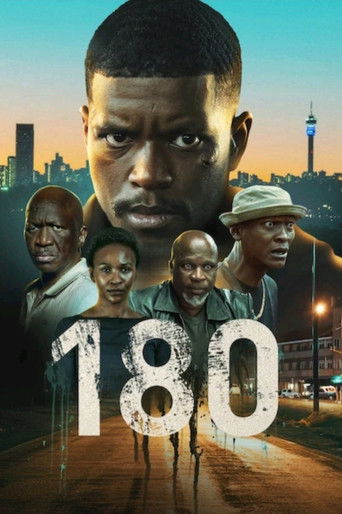
Kidnapped: Elizabeth Smart
Elizabeth Smart's harrowing abduction at 14 from her family's Utah home unfolds through her own words and never-before-seen material in this documentary.
Trailer
Review
Benedict Sanderson's 'Kidnapped: Elizabeth Smart' is not just another true crime documentary—it's a masterclass in survivor-centered storytelling that transforms a well-known headline into a deeply human experience. The film chronicles the 2002 abduction of 14-year-old Elizabeth Smart from her Salt Lake City bedroom, her nine-month captivity, and her remarkable recovery, all told primarily through Smart's own voice. Sanderson skillfully weaves never-before-seen family footage, police recordings, and present-day interviews to create a narrative that feels both intimate and expansive. The documentary avoids sensationalism, instead focusing on the psychological landscape of trauma and resilience. The pacing is deliberate, allowing viewers to sit with the gravity of each moment without becoming exploitative. Technical aspects are understated yet effective—the cinematography uses Utah's stark landscapes to mirror the isolation Smart experienced, while the sparing score amplifies emotional beats without manipulation. The film's greatest strength is its refusal to make villains the centerpiece; instead, it maintains a clear focus on Elizabeth's perspective and the family's ordeal. While some might wish for more contextual analysis of the investigation's broader implications, the documentary's restrained approach ultimately serves its purpose: to honor a survivor's story on her own terms.
Pros
- ✓Elizabeth Smart's firsthand narration provides unparalleled authenticity and emotional depth, transforming the documentary from observational to experiential
- ✓Benedict Sanderson's direction masterfully balances restraint and impact, avoiding true crime sensationalism while maintaining narrative tension
- ✓The integration of never-before-seen home videos and police audio creates a textured, immersive timeline that feels both personal and historically significant
- ✓The film's psychological focus on trauma and recovery offers more substance than typical crime documentaries, providing genuine insight into resilience
Cons
- ✗The documentary occasionally assumes viewer familiarity with the case's basic facts, which might leave some newer audiences wanting more foundational context
- ✗While intentionally focused on Elizabeth's perspective, the film gives limited exploration of the investigation's procedural aspects, which true crime enthusiasts might miss
- ✗The runtime feels slightly constrained at 91 minutes—another 10-15 minutes could have allowed deeper exploration of the family's post-recovery journey
'Kidnapped: Elizabeth Smart' succeeds precisely because it understands what many true crime documentaries forget: the survivor's voice matters more than the spectacle of the crime. Benedict Sanderson has crafted a documentary that feels both necessary and respectful—a film that educates without exploiting, and moves without manipulating. While it could benefit from slightly more contextual framing for viewers less familiar with the case, its strengths are undeniable. The film's greatest achievement is how it transforms Elizabeth Smart from a media symbol back into a complete human being—a daughter, a survivor, and ultimately, a guide through darkness. This isn't just a recounting of events; it's a meditation on trauma, family, and the slow, difficult work of reclaiming one's story. For anyone interested in documentary filmmaking that prioritizes ethics alongside engagement, or for viewers seeking stories of human resilience over criminal voyeurism, this film delivers powerfully. It earns its 91-minute runtime and leaves a lasting impression about the true meaning of survival.
🎯 Who Should Watch
True crime documentary enthusiasts seeking ethical storytelling, viewers interested in survivor narratives and trauma psychology, documentary students examining first-person narrative techniques, and audiences who appreciate restrained, respectful approaches to difficult subject matter
⭐ Standout Elements
The documentary's core strength is Elizabeth Smart's direct narration—her calm, detailed recollection creates an intimate connection that archival footage alone could never achieve. Equally standout is the film's ethical framework, which consistently centers the survivor's experience over sensational crime details. The seamless integration of personal home videos with investigative materials creates a unique temporal texture that makes the story feel simultaneously immediate and historical.
🎬 Overall Impact
A must-watch film that delivers on both entertainment and emotional depth.
📽️ This film represents exceptional filmmaking that deserves your attention.