Trailer
Review
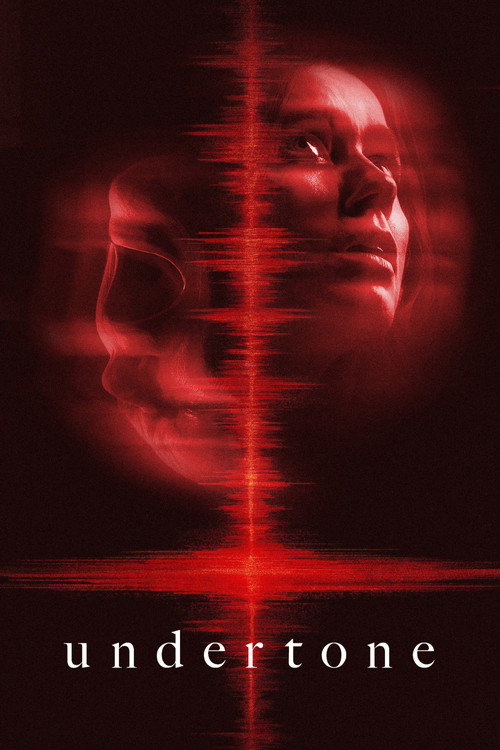
In an era where true crime and paranormal podcasts dominate our earbuds, 'Undertone' taps into a uniquely modern fear: what if the horror you're broadcasting starts broadcasting back? Director Ian Tuason crafts a chilling 94-minute descent into audio-based terror, following popular podcaster Elara (Nina Kiri) as she receives mysterious recordings that blur the line between her show's content and a personal haunting. The film cleverly uses its 2026 setting not for flashy tech, but to explore our intimate, vulnerable relationship with sound—the whispers in our headphones, the static between stations, the unsettling quiet after a scream. Tuason's direction is taut and atmospheric, wringing genuine dread from simple audio cues and shadowy frames. Nina Kiri delivers a compelling, grounded performance as Elara, her skepticism slowly eroding into raw terror, while Adam DiMarco provides solid support as a sound engineer caught in the sonic nightmare. The sound design is the film's true star, transforming everyday noises into instruments of fear. However, the mystery's resolution, while satisfying, doesn't quite match the terrifying buildup, and some supporting characters feel underdeveloped. With a 6.7/10 audience score, it's a film that will resonate deeply with horror fans who appreciate psychological dread over gore, even if it doesn't fully stick the landing in its final act.
Pros
- ✓Masterful, immersive sound design that makes auditory perception terrifying
- ✓Nina Kiri's strong lead performance selling the gradual psychological unraveling
- ✓A clever, timely premise that effectively critiques podcast culture and parasocial relationships
- ✓Ian Tuason's restrained direction that builds tension through atmosphere rather than jump scares
Cons
- ✗The third act reveal feels somewhat conventional compared to the innovative setup
- ✗Underutilization of the talented supporting cast, particularly Michèle Duquet and Jeff Yung
'Undertone' is a standout in the contemporary horror landscape for its intelligent premise and exceptional execution of audio-based fear. While it stumbles slightly in delivering a payoff as novel as its setup, the journey there is overwhelmingly effective. Ian Tuason demonstrates a keen understanding of how to weaponize silence and sound, creating scenes that will linger in your mind long after the credits roll—and possibly make you think twice before putting on your headphones. For horror enthusiasts tired of recycled tropes, this film offers a fresh, cerebral chill that respects its audience's intelligence. It's not a perfect film, but its strengths are significant: a compelling lead performance, a brilliantly unsettling atmosphere, and a concept that feels both original and eerily plausible. At 94 minutes, it's a tightly paced nightmare that proves sometimes the most terrifying things are what you hear, not what you see. Recommended for viewers who prefer their horror psychological and atmospheric.
🎯 Who Should Watch
Fans of psychological horror and atmospheric thrillers; podcast enthusiasts; viewers who appreciate sound design as a narrative tool; audiences seeking horror that relies on tension over graphic violence.
⭐ Standout Elements
The film's innovative use of sound design as the primary source of horror, and its timely, meta-commentary on the nature of consuming true-crime/paranormal media.
🎬 Overall Impact
A must-watch film that delivers on both entertainment and emotional depth.
📽️ This film represents exceptional filmmaking that deserves your attention.