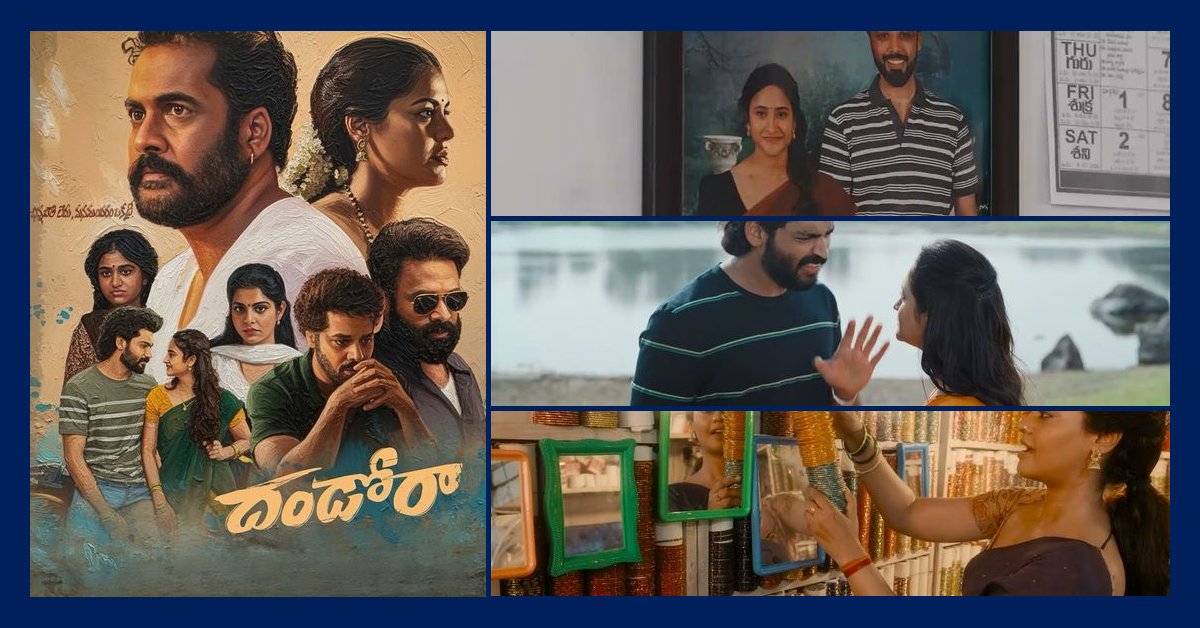

I just walked out of the theater and honestly, I need a minute to process. Dhandoraa isn't the kind of movie that gives you easy answers or a clean emotional release. I feel heavy, but in a thoughtful way, like I've been carrying a weight with these characters all day. The final shot is still playing in my head—it's so quiet and devastating. I wasn't expecting a Christmas Eve release to be this intense. I'm sitting in my car just replaying certain dialogues in my mind, especially the ones about silence and what it means in a village like that.
🎬 Watch the Official Trailer
What's Dhandoraa About?
The movie unfolds over a single day in a remote village after the death of an upper-caste man named Shivaji. It's less about the death itself and more about the ripples it creates. We follow four different characters—each from different social strata—as they navigate the news, their fears, their duties, and their secret desires. It's a pressure cooker of emotions, caste dynamics, and personal histories all colliding.
What Works in Dhandoraa
- ✓ The structure is brilliant. Telling the whole story in one day made every interaction feel urgent and loaded with meaning. I was on edge the whole time.
- ✓ Sivaji Sontineni's performance is haunting. He has this one scene where he's just listening at a door, and you can see his entire world crumbling in his eyes. It stayed with me.
- ✓ The sound design is a character itself. The absence of a traditional score makes the village sounds—the wind, a distant bell, footsteps—incredibly tense and atmospheric.
- ✓ Bindu Madhavi and Navdeep share a scene in a field that is pure, raw emotion. No big speeches, just looks and unspoken history. It was beautifully painful to watch.
What Doesn't Work
- ✗ The pacing in the first 30 minutes is deliberately slow, which sets the mood, but I did find myself checking my watch once. It demands your patience.
- ✗ Ravi Krishna's character arc felt a tad undercooked compared to the others. I wanted a bit more from his resolution.
- ✗ Some of the symbolism, like the recurring shot of a drying well, felt a little too on-the-nose for my taste. I got it the first time.
Standout Moments & Performances
There's a scene where Manika's character is preparing food while a crucial conversation happens outside her window. The camera stays on her face, and you see her trying not to react, her hands trembling slightly as she chops vegetables. It was a masterclass in showing internal turmoil. Another moment that gutted me was Navdeep's character breaking down not with tears, but with a choked, silent laugh of utter despair. I actually held my breath. And the opening sequence, just the quiet, methodical shots of the village waking up, knowing a storm is coming—it set the perfect, uneasy tone.
Main Cast: Sivaji Sontineni, Navdeep, Bindu Madhavi, Ravi Krishna, Manika
Direction, Music & Visuals
Director Murali Kanth Devasoth has a very assured hand. The cinematography is stunning but not showy—lots of natural light and tight frames that make you feel the claustrophobia of the village and its social rules. The lack of a conventional soundtrack is a bold choice that pays off; the silence becomes deafening. Performance-wise, it's an ensemble triumph. Sivaji is the obvious anchor, but Bindu Madhavi brings such quiet strength, and Navdeep reveals layers I've never seen from him before. They all feel like real people, not characters.
Director: Murali Kanth Devasoth
Who Should Watch Dhandoraa?
This is for viewers who love slow-burn, character-driven dramas that chew on social issues without preaching. If you liked movies like 'Jhund' or 'Masaan' for their textured look at society, you'll appreciate the craft here. It's also for anyone who values powerful, subtle acting over plot twists and action.
Who Might Want to Skip?
If you're looking for a light, entertaining escape or a fast-paced narrative, this isn't it. It's a demanding, contemplative film. Also, if you prefer stories with clear-cut heroes and villains, the moral ambiguities here might frustrate you.
Final Verdict
Dhandoraa is a challenging, beautifully made film that I'm very glad I experienced in a theater. It demands your attention and sits with you long after. While the slow start tested me, the emotional payoff in the second half was profound. I wouldn't call it an 'enjoyable' watch in the traditional sense—it's more of a necessary, impactful one. I'd recommend it, but I need some time before I'd watch it again. It's that kind of movie.