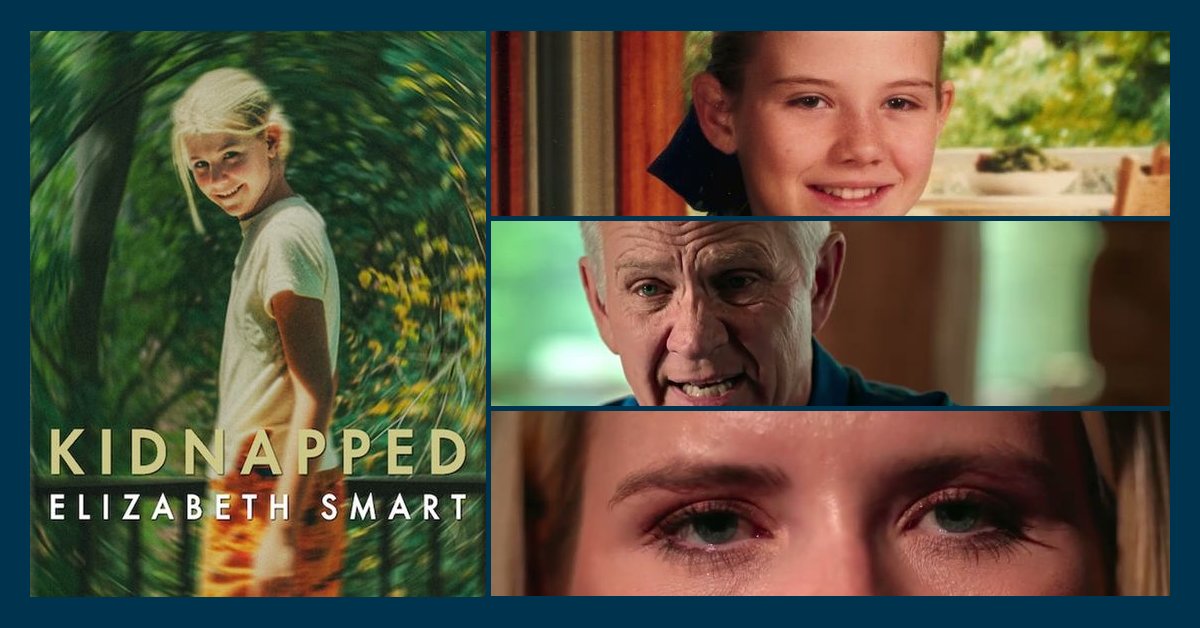

I just walked out of the theater and honestly, I need a minute. My coffee's getting cold because I've just been sitting here, staring into space. The film ends with Elizabeth Smart's voice, calm but carrying this immense weight, and it just sits with you. It's not a thriller you shake off. I keep thinking about her family's living room, that ordinary space turned into a nightmare. It's a documentary, but it feels more immediate than any dramatization. I'm left with this profound respect for her resilience, mixed with a heavy dose of reality about how evil can just walk in.
🎬 Watch the Official Trailer
What's Kidnapped: Elizabeth Smart About?
The documentary chronicles the 2002 abduction of 14-year-old Elizabeth Smart from her Salt Lake City bedroom. It's told primarily through her own present-day narration, woven with archival news footage, police recordings, and family photos. The focus isn't on sensationalizing the crime, but on walking us through the nine-month ordeal from her perspective and the agonizing search from her family's side. It's a straightforward, chronological retelling of a story you think you know, but hearing it from her makes it entirely new.
What Works in Kidnapped: Elizabeth Smart
- ✓ Elizabeth's narration is the film's backbone. Her voice is remarkably steady, which makes the horrors she describes even more chilling. It's a masterclass in composure.
- ✓ The use of home video and family photos from before the abduction. Seeing her as a normal, smiling kid right before it happens absolutely wrecked me.
- ✓ The pacing is excellent. At 91 minutes, it never drags or feels exploitative. It respects the gravity of the story without milking it for drama.
- ✓ The focus on the family's desperate public campaign. Seeing her father, Ed Smart, on TV, his voice breaking—it grounds the abstract 'news story' in raw human pain.
What Doesn't Work
- ✗ I wish they'd delved a bit deeper into the psychological manipulation by Mitchell and Barzee. The film shows it, but I left wanting to understand that 'how' more.
- ✗ Some of the recreated aerial shots of the Utah wilderness felt a bit generic compared to the powerful authenticity of the archival material.
- ✗ The ending, while respectful, felt slightly abrupt. After such an intense journey, I needed just a few more moments of emotional resolution.
Standout Moments & Performances
Two moments are burned into my brain. First, Elizabeth describing the moment of her abduction—the feeling of the cold knife at her neck, the whispered threats. The camera just holds on a dark, quiet re-creation of her bedroom doorway. It was terrifying in its simplicity. Second, the audio of the 911 call after her rescue. You don't see anything, just a black screen with the transcript. Hearing the dispatcher's calm professionalism contrast with the chaotic, joyful sobs in the background... I got full-body chills. It's the sound of a nightmare ending.
Main Cast: Elizabeth Smart, Steevan Glover, John Stableforth, Brian David Mitchell, Wanda Barzee
Direction, Music & Visuals
Director Benedict Sanderson makes smart, restrained choices. The cinematography is clean and unfussy, letting the archival footage and photos carry the visual weight. The score is minimal—often just ambient tension or complete silence, which is the right call. The real 'performances' are the interviews. Elizabeth is captivating not through dramatics, but through her stark, matter-of-fact delivery. Hearing the kidnappers' own rambling, self-justifying audio (from police recordings) is viscerally disturbing. The editing seamlessly blends past and present, making you feel the relentless passage of those nine months. It's effective, unflashy filmmaking that serves the story.
Director: Benedict Sanderson
Genres: Documentary, Crime
Who Should Watch Kidnapped: Elizabeth Smart?
This is for viewers interested in true crime that prioritizes the victim's voice over the criminal's notoriety. If you appreciate documentaries that are more sober reflection than sensational deep dive, you'll find it powerful. It's also surprisingly important for anyone who only remembers this case as headlines; it humanizes it completely. Fans of films like 'I, Tonya' or 'The Keepers' in their blend of personal testimony and public record will connect with it.
Who Might Want to Skip?
If you're looking for a fast-paced, twisty crime thriller with dramatic reenactments, this isn't it. It's a slow, steady, and emotionally heavy burn. Also, anyone particularly sensitive to stories about violence against children should steer clear—it's handled with care, but the reality is inherently distressing.
Final Verdict
Would I recommend it? Absolutely, but with the caveat that it's a tough, emotionally draining watch. It's not 'entertainment' in the usual sense. It's a necessary testament. The power comes entirely from Elizabeth Smart's incredible presence and the sheer, unvarnished truth of her telling. I wouldn't watch it again soon—it's a one-time, immersive experience that leaves a mark. But I'm glad I saw it. It replaces the sensationalized media memory I had with something far more human and profound. It earns its runtime and then some.