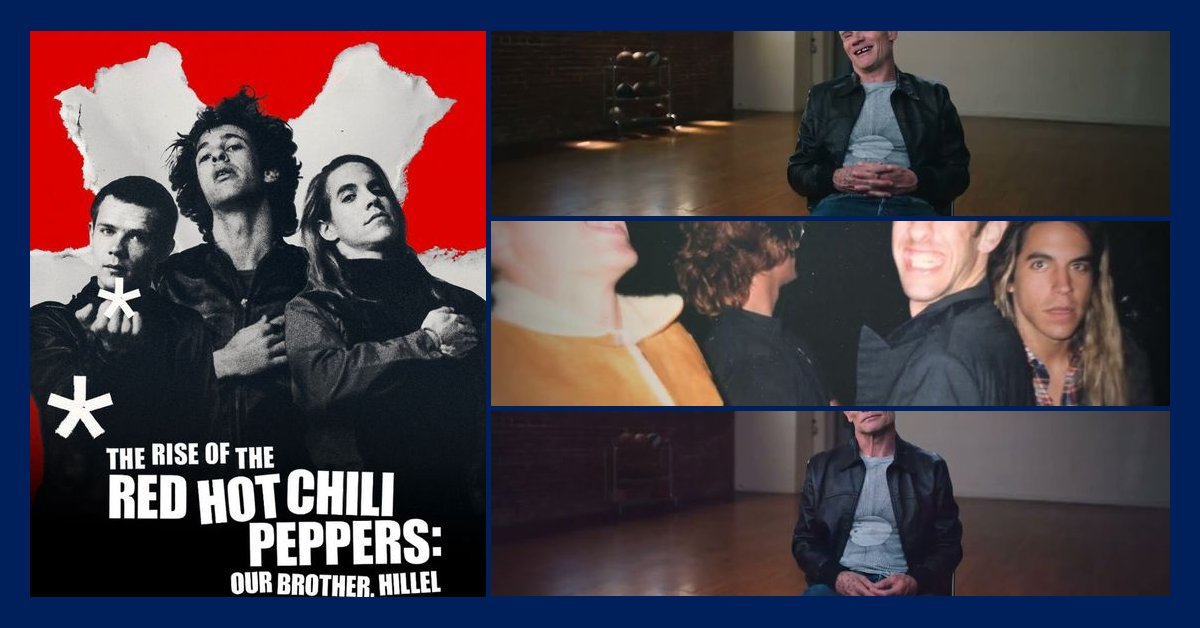

I just walked out of the theater and honestly, I'm feeling this strange mix of inspiration and melancholy. The film left me thinking about the fragile, almost accidental nature of artistic success. I knew Hillel Slovak was the original guitarist, but I never fully grasped how central his spirit was to the band's DNA. I keep picturing those grainy, sun-drenched LA rehearsal scenes. It's less a triumphant rock doc and more a bittersweet love letter to a friend who shaped everything but didn't get to see it through. My mind is stuck on that contrast.
🎬 Watch the Official Trailer
What's The Rise of the Red Hot Chili Peppers: Our Brother, Hillel About?
This documentary dives deep into the chaotic, funky early days of the Red Hot Chili Peppers, focusing squarely on founding guitarist Hillel Slovak. It's not the story of the mega-selling band we know today, but the raw, messy origin story. Using never-before-seen home videos, interviews with the surviving original members, and friends, it paints a portrait of Hillel's musical genius and personal struggles, showing how his sound and soul became the band's foundation.
What Works in The Rise of the Red Hot Chili Peppers: Our Brother, Hillel
- ✓ The archival footage is incredible. Seeing teenage Anthony, Flea, Hillel, and Jack just goofing around in a garage with insane energy made me feel like I was spying on history.
- ✓ The interviews with Alain Johannes were surprisingly moving. He spoke about Hillel's playing with such specific, technical love that it made me appreciate the music on a whole new level.
- ✓ The film doesn't shy away from the darkness. It handles the drug issues with a raw honesty that feels respectful, not sensational.
- ✓ The soundtrack, obviously, is a masterclass in early funk-punk. Hearing those early demos and live cuts in theater-quality sound was a visceral thrill.
What Doesn't Work
- ✗ At 95 minutes, it feels a bit slight for such a pivotal story. I wanted more depth on the actual music creation process between those four guys.
- ✗ The structure is pretty conventional. It follows the standard 'rise, struggle, tragedy' documentary arc without many formal surprises.
- ✗ If you're not already invested in the band's history, some of the insider anecdotes might feel a bit niche or lose their emotional weight.
Standout Moments & Performances
There's a scene where they show super 8 footage of Hillel and Flea just jamming, completely lost in the music, in what looks like a living room. No audience, no fame, just pure joy. It gave me chills. Another moment that hit me hard was Anthony Kiedis, present-day, describing the last time he saw Hillel. He didn't overdramatize it; his voice just got quiet and his face changed. It was more powerful than any dramatic reenactment could ever be. And the closing sequence, cutting between their early, chaotic performances and the silent, still shots of his guitar... I had a lump in my throat.
Main Cast: Hillel Slovak, Anthony Kiedis, Flea, Alain Johannes, Jack Irons
Direction, Music & Visuals
Director Ben Feldman made a smart choice to let the archival material breathe. The grainy, colorful home videos are the star, and the cinematography doesn't try to overly polish them. The editing weaves the past and present interviews together smoothly, though sometimes I wished it would linger longer on a single piece of footage. The sound design is fantastic—they isolate guitar tracks or vocals so you can really hear Hillel's contributions. The performances in the interviews are the key here. Flea is uncharacteristically subdued and reflective, Jack Irons is heartbreakingly earnest, and Kiedis is raw in a way I've never seen him. Their love and regret are palpable.
Director: Ben Feldman
Genres: Documentary, Music
Who Should Watch The Rise of the Red Hot Chili Peppers: Our Brother, Hillel?
This is essential viewing for any Red Hot Chili Peppers fan, especially those who know the hits but not the history. It's also great for documentary lovers interested in the messy birth of artistic movements and for any musician who wants a raw look at the passion and pain of early band life. If you have any interest in 80s LA music culture, you'll find a lot to love here.
Who Might Want to Skip?
If you're looking for a comprehensive history of the band's entire career and mega-hits, you'll be disappointed. This is a focused, somber prequel. Also, if you have zero interest in the band or their music, the emotional core might not land for you.
Final Verdict
I would absolutely recommend it, but with the caveat that it's a specific, emotional deep cut, not a flashy concert film. It made me go home and listen to 'The Uplift Mofo Party Plan' with completely new ears, which is the highest praise I can give. I don't know if I'd watch it again soon—it's heavy—but the images and feelings will stick with me. It's a beautiful, sad, and necessary correction to the record, ensuring Hillel Slovak gets his due. It accomplished exactly what it set out to do.