
I just walked out of the theater and honestly, I'm still processing. I wasn't expecting to feel this heavy. The film sits with you, you know? It's not a light historical drama. I keep thinking about Amanda Seyfried's eyes in that final scene—so much conviction, so much pain. I drove home in near silence, which is rare for me after a movie. It made me think about faith, sacrifice, and the incredible weight of leading people. My coffee's getting cold because I'm just replaying moments in my head.
🎬 Watch the Official Trailer
What's The Testament of Ann Lee About?
The Testament of Ann Lee is about the woman who founded the Shaker religious movement in 18th-century America. It follows her journey from England to the New World, her radical beliefs—including celibacy and gender equality in worship—and the establishment of her utopian community. It's less about grand historical events and more about the intimate, often brutal, cost of spiritual leadership and creating a new world from scratch.
What Works in The Testament of Ann Lee
- ✓ Amanda Seyfried's performance is a revelation. She's not playing a saint; she's playing a fiercely determined, complicated woman who believes she's channeling divine truth. You feel every ounce of her burden.
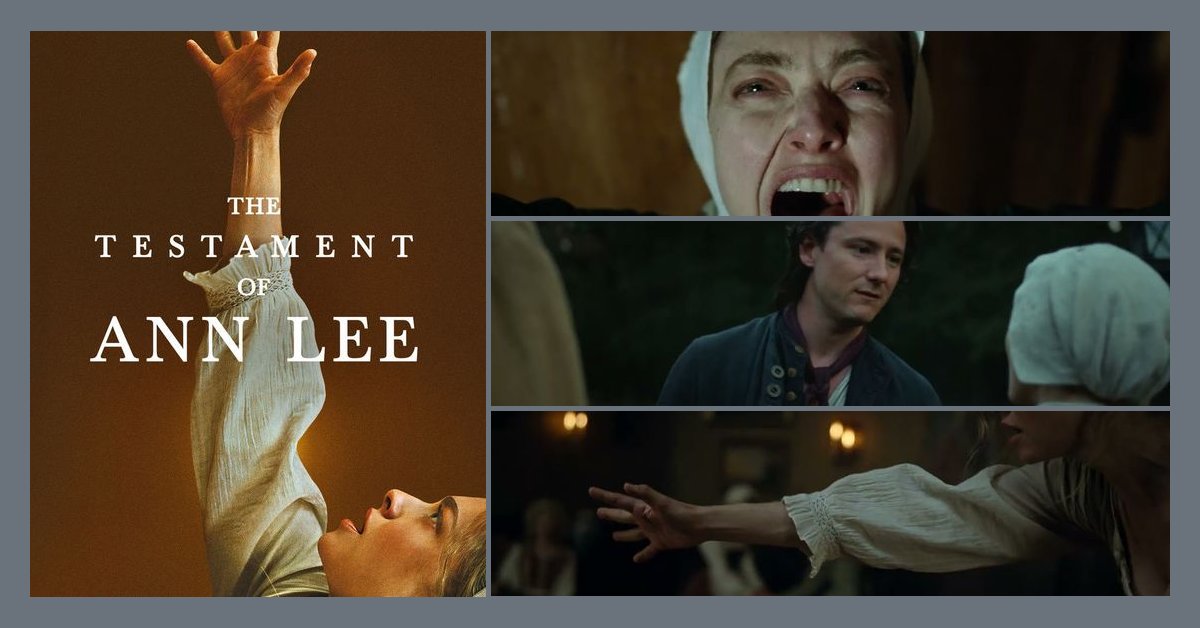
- ✓ The depiction of Shaker worship through song and ecstatic dance is breathtaking. It's not just background; it's the emotional core of their community and it's filmed with raw, shaky energy that pulls you in.
- ✓ The cinematography is stunningly austere. The use of natural light in the wooden meeting halls and the bleak, beautiful American landscapes perfectly mirrors the Shakers' blend of simplicity and spiritual fervor.
- ✓ The film doesn't shy away from the contradictions and tensions within the community, especially around Ann's leadership and the harsh demands of their celibate life. It feels honest, not idealized.
What Doesn't Work
- ✗ The pacing in the middle section drags. There's a long stretch focusing on the daily grind of building the settlement that could have been tighter. I caught myself checking my watch once.
- ✗ Some supporting characters, like the men around Ann, feel underdeveloped. Lewis Pullman is good, but his character's arc feels rushed compared to Ann's central journey.
- ✗ At 137 minutes, it's a commitment. The deliberate, slow-burn style won't be for everyone, and the ending feels a bit abrupt after such a long build-up.
Standout Moments & Performances
Two moments are burned into my memory. First, the 'shaking' worship scene where the camera spins with them—I felt dizzy, ecstatic, and slightly terrified right along with the characters. It was pure, chaotic devotion. Second, a quieter scene where Ann, utterly exhausted, confesses her doubts to a follower in a whisper. Seyfried's face just crumbles with vulnerability. It was heartbreaking because it showed the human cost of being seen as the Messiah. And honestly, the opening sequence in the English prison—dark, claustrophobic, and raw—set the tone perfectly. I was hooked from that misery.
Main Cast: Amanda Seyfried, Lewis Pullman, Thomasin McKenzie, Matthew Beard, Christopher Abbott
Direction, Music & Visuals
Mona Fastvold's direction is confident and immersive. She makes you feel the chill of the rooms and the physical exhaustion of labor. The decision to use minimal, period-appropriate music except for the Shaker hymns themselves was brilliant—it made those singing moments erupt with power. The costume and production design are meticulously plain, which somehow makes everything feel more real. Seyfried is the undeniable anchor, but Thomasin McKenzie is also quietly excellent as a young, devoted follower. The camera lingers on faces, searching for truth in silence as much as in the shouting.
Director: Mona Fastvold
Who Should Watch The Testament of Ann Lee?
This is for viewers who love thoughtful, character-driven historical dramas that focus on interior lives rather than battles. If you liked The Piano or First Reformed, or if you're fascinated by religious history and complex female figures, you'll find a lot to sit with. It rewards patience and a willingness to engage with big questions about belief and community.
Who Might Want to Skip?
If you're looking for a fast-paced plot, major action, or a feel-good period piece, steer clear. This is a slow, meditative, and often somber film about faith and sacrifice. It's a demanding watch, not a relaxing one.
Final Verdict
I would recommend it, but with the caveat that you need to be in the right headspace. It's a beautifully made, emotionally resonant film that stuck with me. Seyfried deserves awards attention. It's not perfect—the pacing issues are real—but its strengths are profound. Would I watch it again? Probably not anytime soon; it's a lot to absorb. But I'm glad I saw it. It's the kind of movie that sparks conversation, maybe over a second coffee.