
I just walked out of the theater and honestly, I'm feeling this strange mix of awe and quiet reflection. I thought I knew everything about the Titanic, but this documentary hit differently. Seeing those survivor interviews from decades ago, hearing their voices crack with memory... it's not just a historical event anymore, it's 1,500 individual stories that ended in the Atlantic. I'm sitting here with my coffee, still picturing the faces in those old photographs. It makes you think about legacy, about how we remember tragedy, and about the sheer, terrifying scale of it all.
🎬 Watch the Official Trailer
What's Titanic: 100 Years On About?
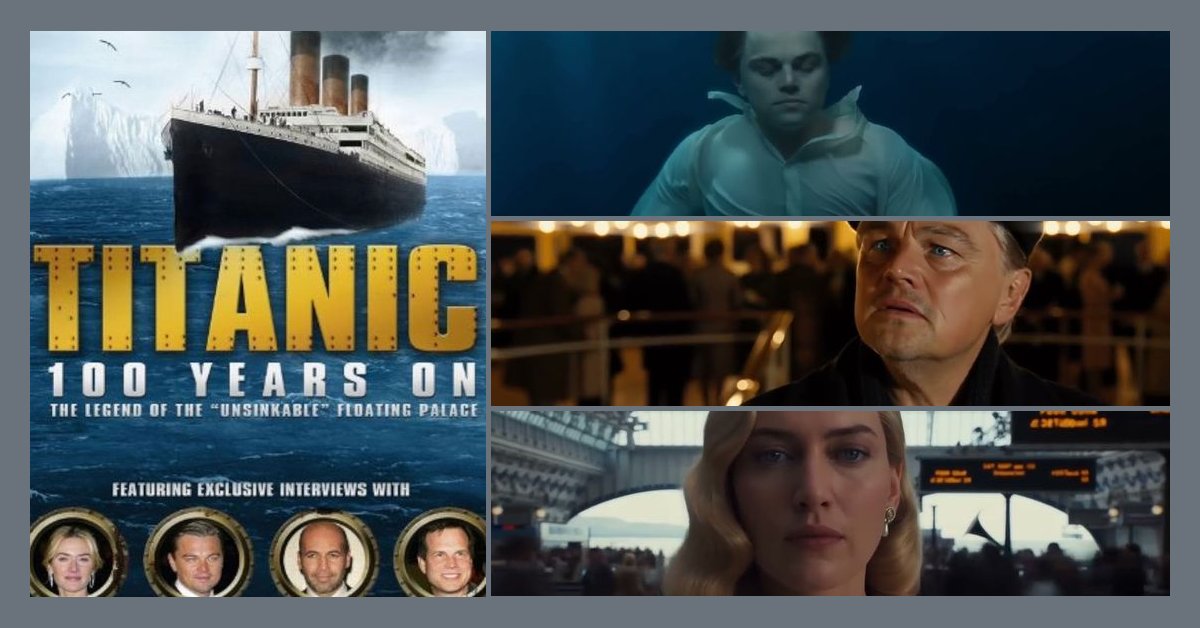
Titanic: 100 Years On is a documentary that revisits the 1912 disaster by weaving together archival footage, modern exhibits at the Sea City Museum, and interviews. It doesn't just retell the sinking; it explores how we process the story a century later, featuring both real survivors and the cast from James Cameron's iconic film, creating a bridge between history and popular memory.
What Works in Titanic: 100 Years On
- ✓ The survivor interviews were hauntingly raw. One woman describing the sound of the ship breaking still gives me chills.
- ✓ James Cameron's insights were surprisingly practical, focusing on the engineering and historical accuracy of his film.
- ✓ The footage from the Southampton museum exhibit made me feel like I was walking through it, especially seeing personal artifacts.
- ✓ The editing between 1912 newsreels and 1997 film clips was clever, showing how the myth was built.
What Doesn't Work
- ✗ At 70 minutes, it felt a bit rushed in the middle. I wanted more depth on some passenger stories they introduced.
- ✗ The narration was sometimes too dramatic, undercutting the powerful real footage with over-the-top music.
- ✗ Billy Zane's interview segment was oddly short and felt like a promotional add-on compared to the others.
Standout Moments & Performances
Two moments are burned in my memory. First, an elderly survivor, her hands trembling, pointing to a photograph and saying, 'That was my brother. He said he'd find another boat.' The silence after she said that was deafening. Second, a side-by-side comparison of the grand staircase—the pristine movie set and the eerie, rusted ruins on the ocean floor. The contrast was a punch to the gut. It perfectly captured the distance between Hollywood glamour and cold, dark reality.
Main Cast: James Cameron, Kate Winslet, Leonardo DiCaprio, Billy Zane, Bill Paxton
Direction, Music & Visuals
The direction by Tara Pirnia was respectful and focused on emotion over spectacle. The cinematography shone in the museum segments—the way they lit the artifacts made them feel sacred. The score was a mixed bag; the somber piano pieces worked, but the swelling strings during historical segments felt manipulative. The real 'performances' came from the survivors. Kate Winslet and Leonardo DiCaprio's modern reflections were thoughtful, especially Leo talking about the weight of playing a character who represented so many real, lost young men. It felt less like a press junket and more like a genuine reckoning.
Director: Tara Pirnia
Genres: Documentary
Who Should Watch Titanic: 100 Years On?
This is perfect for history buffs who want to move beyond the basic facts, and for fans of Cameron's film who are curious about its real-life foundation. If you're fascinated by how real tragedies become cultural touchstones, and you appreciate hearing history from the people who lived it, you'll find this deeply moving. It's more contemplative than thrilling.
Who Might Want to Skip?
If you're looking for a dramatic re-telling or new underwater footage, skip it. This isn't an action documentary. It's a quiet, reflective piece. Anyone wanting pure Titanic disaster visuals might find it too talky and museum-focused.
Final Verdict
I would definitely recommend it, but with the right expectations. Go for a history lesson and a human connection, not for new revelations about the sinking. It's a solemn, well-crafted tribute that made the event feel profoundly personal again. I don't know if I'd watch it again soon—it's emotionally heavy—but I'm glad I saw it. It added layers to a story I thought I understood. It's the kind of documentary that stays with you over your next few cups of coffee.